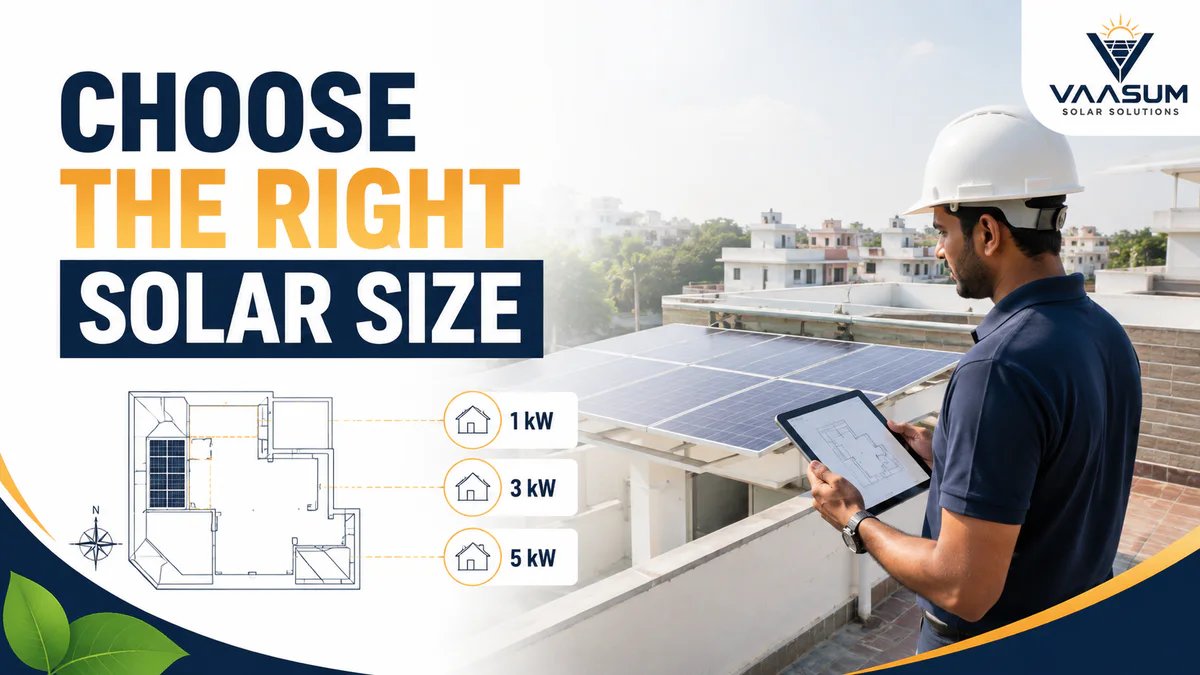

Two solar quotations can show the same capacity and still describe very different systems. A fair comparison requires a common checklist covering design, equipment, installation scope, safety and long-term support.
Confirm the design basis
Each proposal should state the electricity data used, target system size, usable roof area and generation assumptions. Look for a clear explanation of shading, orientation, system losses and expected self-consumption or export treatment.
If a proposal gives only a saving percentage without showing its assumptions, ask for the calculation behind it. Savings are estimates and should not be presented as guaranteed outcomes.
Compare the complete equipment list
The module and inverter are important, but they are not the whole installation. Request model numbers and quantities for the main components, plus a description of:
- mounting structure and fastening method
- DC and AC cables, connectors and enclosures
- isolators, protection devices, earthing and surge protection
- monitoring equipment and communication method
- labels, access provisions and cable management
Check manufacturer documentation, applicable certifications and warranty terms. Clarify who will handle a warranty claim and whether labour or transport is included.
Check what the price includes
A complete scope may include survey, engineering, materials, installation, testing, commissioning, documentation and assistance with the applicable grid-connection process. Civil work, structural strengthening, meter changes, network upgrades or unusual cable routes may be excluded.
Ask every bidder to list exclusions in writing. This makes the total project cost easier to compare and reduces surprises after work begins.
Review safety and workmanship
The proposal should identify how electrical isolation, earthing, weather protection, equipment ventilation and safe maintenance access will be handled. Installation must follow applicable standards, regulations and manufacturer instructions. Do not accept an unsafe cable route or inaccessible equipment simply to reduce the quoted price.
Evaluate delivery and support
Agree on payment milestones, expected schedule, handover documents, training, monitoring access and the response process for faults. Ask who owns the design records and system credentials after commissioning.
Make a like-for-like decision
Create one comparison table and place each quote against the same headings: design basis, equipment, protections, scope, exclusions, warranties, schedule, support and price. The strongest proposal is the one that provides a suitable, safe and clearly documented system—not necessarily the lowest headline figure.